
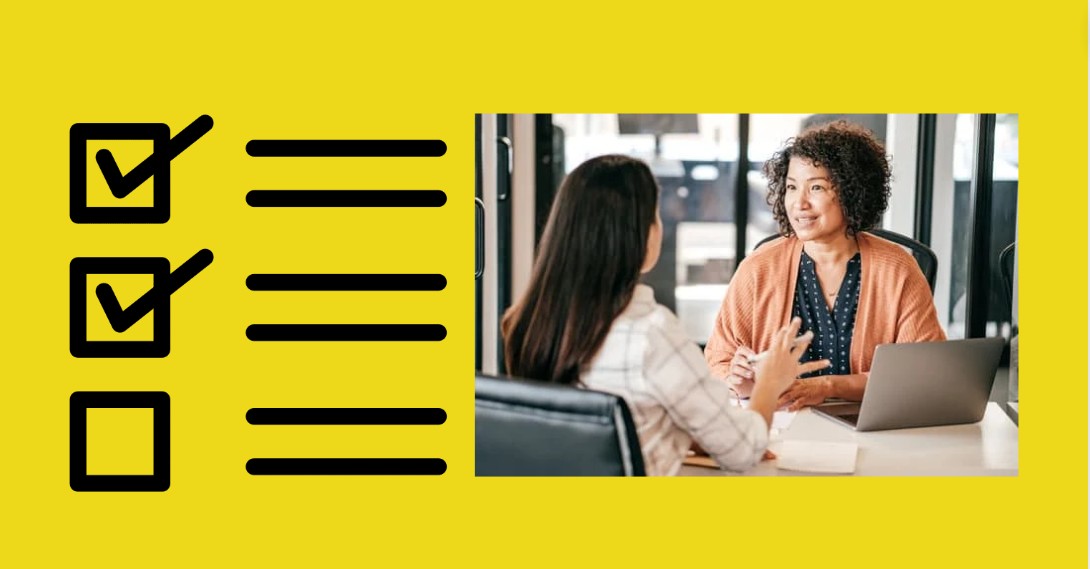
Listen Carefully
Listening carefully to what the interviewer is saying is crucial. Pay attention to the questions asked and the information shared about the company and the role. This will enable you to respond more accurately and relevantly, and show that you value the discussion.
Prepare Smart Questions
Preparing smart questions about the role and the company shows that you are thinking long-term and are genuinely interested in how you can contribute and grow within the organization. Avoid questions that can be easily answered with a quick search or questions that are too personal.
Set Expectations for the Interview
Setting your expectations regarding what you want to achieve and what your main concerns are helps guide the conversation and ensures you cover all important points during the interview.
Take a Pause Before Answering
Taking a pause before answering a question is a useful technique. It allows you to organize your thoughts and formulate a more structured and considered response. Additionally, it shows that you are reflecting on the question before responding.
Be Authentic
Authenticity is key. Be yourself during the interview and avoid trying to fit into a mold you think the interviewer wants. Showing your true personality can create a stronger and more genuine connection with the interviewer.
Be Ready for Small Talk
Small talk may occur at the beginning or end of the interview. Be prepared for these interactions, as they can help build a more relaxed relationship with the interviewer and show your ability to adapt to different situations.
Demonstrate Your Experience
When discussing your past experiences, be clear and concise. Use specific examples to show how your skills have led to positive outcomes in your previous roles. This helps to highlight your ability to add value to the company.
Familiarize Yourself with Your Resume
Knowing your resume inside out is essential. Be ready to discuss each point in detail and answer questions about your listed experiences and skills. This shows that you are well-prepared and that your resume accurately represents your qualifications.
Non-Verbal Communication
Non-verbal communication includes your tone of voice, facial expressions, and gestures. Ensure that your non-verbal communication aligns with your words and conveys an image of confidence and professionalism.
Follow-Up After Your Interview
Sending a thank-you email after the interview is a recommended practice. It shows appreciation for the opportunity and reinforces your interest in the position. Use this moment to briefly reiterate your enthusiasm for the role and highlight how your skills align with the company´s needs.
Following these tips can help you stand out in a job interview and increase your chances of success. Remember that preparation is key to a successful interview. Good luck!
FAQ – Frequently Asked Questions about Job Interviews
1. What are the 5 tips for performing well in a job interview?
-
- Review the job description.
-
- Research the company.
-
- Prepare questions for the interviewer.
-
- Practice your responses.
-
- Maintain positive body language.
2. What are the 5 C´s of the interview?
-
- Clarity: Clear and direct responses.
-
- Confidence: Show confidence without being arrogant.
-
- Competence: Demonstrate your skills and experiences.
-
- Communication: Communicate effectively and articulately.
-
- Cordiality: Be polite and professional.
3. How to perform well in interviews?
-
- Prepare thoroughly.
-
- Listen carefully.
-
- Respond with specific examples.
-
- Maintain a positive attitude.
-
- Follow up appropriately after the interview.
4. What is the STAR method in interviewing?
The STAR method (Situation, Task, Action, Result) helps structure responses with concrete examples.
5. What are the 5 STAR interview questions?
-
- ´What is the biggest challenge the company is currently facing?´
-
- ´How is success measured for this position?´
-
- ´What is the culture of the team I would be working with?´
-
- ´What are the growth opportunities within the company?´
-
- ´What is the next step after this interview?´
6. What is a good weakness to mention in an interview?
´Sometimes, I am a perfectionist, which can delay project completion.´
7. Is it normal to admit that you are nervous in an interview?
Yes, it´s normal. Be honest and focus on demonstrating your enthusiasm and preparedness.
8. How can I impress the interviewer?
Show knowledge about the company, ask intelligent questions, and demonstrate enthusiasm for the role.
9. How to answer why we should hire you?
Highlight your skills, experiences, and how you can add value to the company.
10. How to answer tell me about yourself?
Provide a brief summary of your experiences, skills, and career objectives relevant to the position.
11. Why should we hire you in one sentence?
´I bring a unique combination of skills and experiences that perfectly align with the requirements of this position and the goals of your company.´
12. How to answer why we should not hire you?
´I recognize that my experience in [specific area] is still developing, but I am committed to learning and growing quickly.´